LeBron James, Joel Embiid Lead Sixers Comeback
LeBron James, Joel Embiid Lead Sixers Comeback
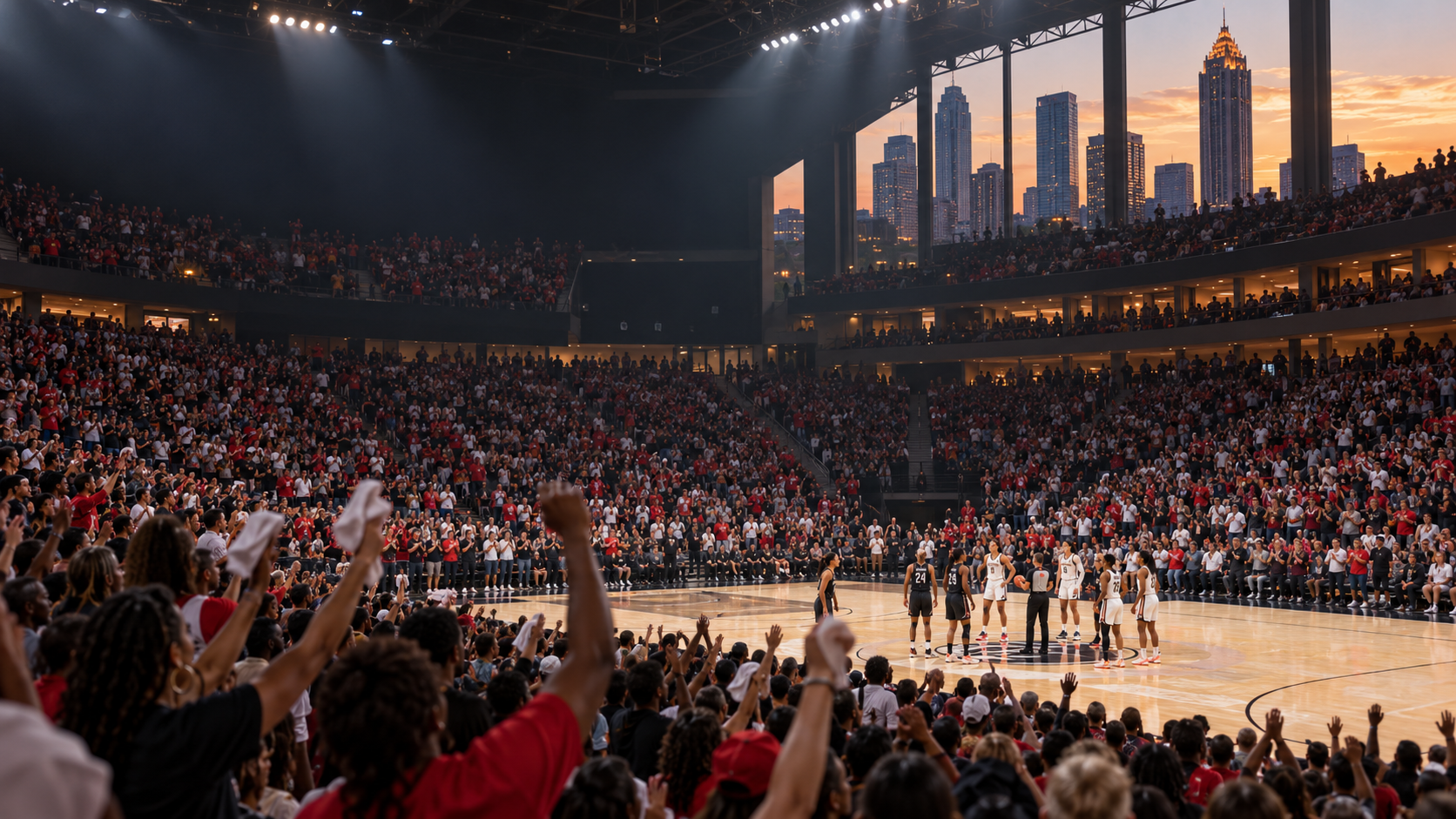
The Philadelphia 76ers’ latest dramatic comeback centered on two distinct forms of superstar influence. LeBron James organized the offense, controlled the tempo, and created structure, while Joel Embiid supplied the physicality and scoring pressure that forced the defense to adjust.
According to the supplied game summary, James and Embiid helped Philadelphia recover from a difficult stretch and complete another comeback win (Source 1).
The available summary does not provide a verified final score, deficit, quarter-by-quarter breakdown, or individual statistics. Those details should be confirmed through an official NBA game report before publication. The central basketball story is clear: James provided organization, Embiid created matchup problems, and the Sixers turned pressure into momentum.
A Comeback Built on Two Superstars
Philadelphia’s comeback reflected the complementary strengths of its leading stars.
James operated as the offensive organizer. He read the defense, identified favorable matchups, controlled the pace, and helped teammates reach better positions. His role gave the Sixers a central decision-maker instead of an offense dependent on isolated possessions.
Embiid supplied the force. His size, strength, touch, and scoring range created pressure around the basket and influenced defensive positioning before he even received the ball. Opponents had to choose whether to defend him alone, send help, change coverage, or concede opportunities elsewhere.
Together, the two stars gave Philadelphia more than a late scoring burst. James connected possessions, while Embiid provided a dependable finishing option. Their partnership turned the comeback into a test of execution rather than emotion alone.
How Philadelphia Found Its Way Back
A comeback requires control. An early deficit can disrupt offensive rhythm, defensive communication, and shot selection. Trailing teams often force attempts, abandon spacing, or try to erase the margin in a single possession.
The supplied report does not provide enough information to describe the game’s opening stages precisely. It does establish the broader narrative: Philadelphia faced significant pressure and responded with another dramatic rally (Source 1).
The response depended on more than shot-making. Philadelphia needed to manage possessions, create reliable pressure, and use its two primary stars effectively. James’ playmaking and Embiid’s scoring threat reinforced each other. James attracted attention as a creator, while Embiid forced defenders to protect the paint and prepare for help coverage.
That pressure created difficult choices. Helping against Embiid could open space for perimeter players. Overcommitting to James could leave Embiid in a favorable position. Staying attached to shooters could create room for direct attacks.
A successful comeback also required defensive resistance. Offensive improvement alone cannot erase a deficit if the opponent continues scoring efficiently. Philadelphia needed purposeful attacks, fewer empty possessions, and enough stops to sustain the rally.
LeBron James’ Offensive Orchestration
James’ influence extended beyond his scoring total. His primary contribution was orchestration: initiating sets, reading coverage, directing teammates, and controlling the pace of possessions.
That role is especially important during a comeback. A trailing team cannot treat every possession as an emergency. James can distinguish between a genuine opportunity and a forced attempt, helping the Sixers create a stable offensive rhythm.
His playmaking can also improve Embiid’s opportunities. A well-timed entry pass can reach Embiid before help is set. A drive by James can pull a defender away from the paint, while a rotation toward Embiid can create an open pass elsewhere.
James’ pace management gives Philadelphia another advantage. He can slow the game for a composed half-court possession or accelerate after a defensive stop creates a transition opportunity. That balance prevents the comeback from becoming a sequence of low-percentage attempts and helps establish Embiid near the paint.
Joel Embiid’s Matchup Pressure
Embiid is the matchup that forces defensive compromises. His combination of size, strength, touch, and range allows him to pressure opponents from multiple areas.
A defender may deny him deep position, contest his face-up game, or prepare for a power move. Each choice creates another challenge. Physical defense may lead to contact; excessive space can give Embiid room to use his touch; early help can open opportunities elsewhere.
The supplied information does not confirm Embiid’s scoring total, shooting percentage, rebounding figure, or specific scoring methods. The broader description of his dominance remains the key point.
His presence changes the defense before the ball reaches him. Opponents must position help defenders, protect the paint, and consider how to recover to shooters. That preparation can create the openings James is best equipped to find.
Embiid can also stabilize the offense when the game becomes tense. A post opportunity, face-up attack, or favorable seal can produce a high-value attempt without requiring a complicated sequence. His physical advantage gives Philadelphia a reliable option when perimeter possessions become difficult.
His defensive presence matters as well. The available source does not verify his blocks, steals, rebounds, or specific assignments, but interior size can discourage drives, protect the paint, and end possessions with defensive rebounds.
Why the James–Embiid Partnership Works
The distinction between the two stars defines Philadelphia’s offensive structure:
- James: creation, distribution, defensive reads, and tempo control.
- Embiid: scoring gravity, interior pressure, physical advantage, and finishing.
Because their roles differ, the defense cannot focus exclusively on one player. Overcommitting to James can give Embiid better access to the paint. Overloading toward Embiid can allow James to attack space or find an open teammate.
A James–Embiid action also forces a rapid defensive decision. The opponent may switch, use drop coverage, show and recover, or send a double-team. The available summary does not establish which coverage appeared in the game, so these remain tactical possibilities rather than confirmed events.
The attention drawn by both stars can benefit supporting players through open perimeter shots, cutting lanes, offensive rebounds, and transition opportunities. The supplied material does not identify specific role-player performances, so no individual should be credited without a verified box score or complete game report.
What the Comeback Says About the Sixers
The result suggests that Philadelphia can respond to adversity without abandoning its offensive hierarchy. Resilience requires more than emotion. It depends on defensive effort, communication, trust, and the willingness to make the next correct play.
James and Embiid provide structure when the game becomes unstable. Their presence allows the Sixers to return to familiar actions instead of reacting randomly to every change in momentum.
Comebacks are built through practical details:
- Limiting empty possessions.
- Creating efficient shots.
- Maintaining spacing around Embiid.
- Attacking favorable matchups.
- Avoiding unnecessary fouls.
- Allowing James to make the primary reads.
- Defending with enough discipline to produce stops.
The supplied summary describes another dramatic comeback, but it does not provide enough verified information to establish a formal season trend or exact comeback margin.
Opponent and Game Context
One supplied source references an Indiana Pacers–Philadelphia 76ers game dated October 28, 2026, with coverage published the following day (Source 3).
That source identifies the matchup context but does not independently verify that it is the same game described in the comeback narrative. It also does not provide a confirmed final score, leading scorers, injury report, quarter-by-quarter sequence, or specific turning points.
Before publication, the opponent, date, score, statistics, and injury details should be checked against an official NBA source or complete game report. The tactical analysis should remain separate from those unverified details.
Conclusion
The defining story of the Philadelphia 76ers’ comeback was the contrast between James’ orchestration and Embiid’s dominance. James organized the offense, controlled the pace, and connected possessions. Embiid created unavoidable pressure near the basket and across the defensive scheme.
The partnership works because each star solves a different problem. James helps Philadelphia determine how to attack, while Embiid makes the defense pay for its response.
If the Sixers pair that star production with consistent defense, reliable spacing, and efficient supporting play, comebacks can become more than dramatic moments. They can form part of a stronger team identity built on structure, physicality, and late-game execution.
Frequently Asked Questions
How did LeBron James help the Sixers complete the comeback?
James organized Philadelphia’s offense by controlling the pace, creating opportunities, reading defensive coverage, and connecting possessions. His playmaking complemented Embiid’s scoring pressure.
Why was Joel Embiid difficult to contain?
Embiid’s size, strength, scoring touch, and interior presence created a difficult matchup. Defenders had to choose between guarding him individually and sending help, with both options creating risks elsewhere on the court.
What made the James–Embiid partnership effective?
The partnership combined James’ creation and decision-making with Embiid’s scoring gravity. James could exploit defensive attention directed toward Embiid, while Embiid benefited from James’ ability to identify favorable matchups.
Was this another comeback win for the 76ers?
The supplied game summary describes the result as another dramatic comeback. The exact deficit, final score, and comeback margin require confirmation from a complete game report or official NBA source.
Did the Sixers play the Indiana Pacers in this game?
One supplied source references a 76ers–Pacers game dated October 28, 2026 (Source 3). Confirm the opponent and date before publication because the supplied source does not establish that it is the same game described in the main narrative.